
Beskrivelse
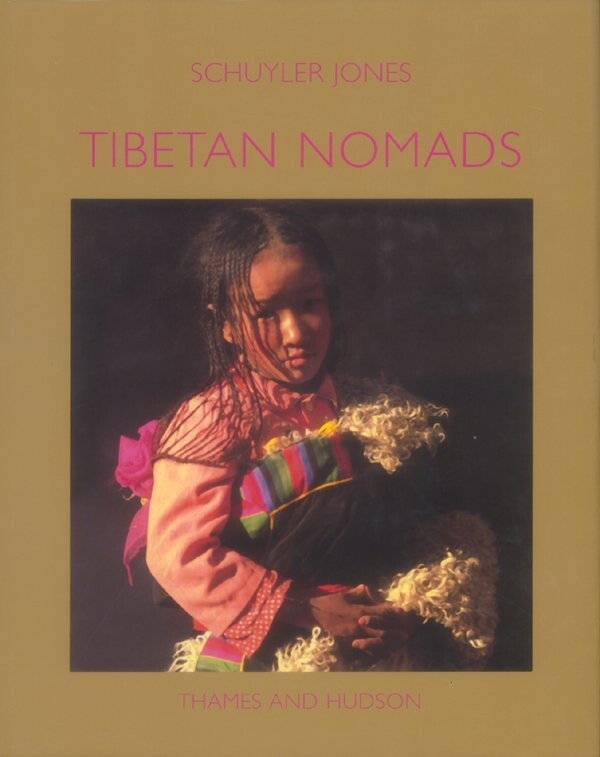
A captivating exploration of the Tibetan nomads who live on the vast, high-altitude Chang Tang plateau between the Himalayas and the Gobi Desert. This book delves into their traditional lifestyle, survival skills, and rich cultural heritage.
An in-depth look at the nomadic way of life on Tibet’s remote plateau and the remarkable adaptations that have sustained these pastoralists for centuries.
The Tibetan nomads inhabit one of Asia’s most isolated and challenging regions, the elevated Chang Tang plateau, nestled between the towering Himalayas to the south and the arid Gobi Desert to the north. For centuries, this area remained almost inaccessible to outsiders, protected by harsh mountain ranges, forbidding deserts, and the fiercely independent Tibetan people themselves. Early Western travelers of the 18th and 19th centuries left only brief accounts of these nomads, and substantial knowledge about Tibetan nomadism only began to emerge in the late 19th and early 20th centuries, with detailed studies starting in the 1930s.
The ambitious Third Danish Expedition to Central Asia (1947-1955), initially led by Henning Haslund-Christensen, involved extensive fieldwork in Afghanistan, Pakistan, and India, with plans to continue into China and Mongolia. However, Haslund-Christensen’s death in 1948 and the Chinese invasion of Tibet in 1950 halted further research in the region. Anthropologist HRH Prince Peter of Greece and Denmark, a member of the expedition, set up a base in Northern India to carry on his Tibetan studies and to collect artefacts for the National Museum of Denmark in Copenhagen. Thanks to his dedication, the museum now holds one of Europe’s most impressive collections of Tibetan arts and crafts.
This book is much more than a beautifully illustrated catalogue of these artefacts. It offers a comprehensive account of the nomadic lifestyle that has thrived for centuries on Tibet’s high-altitude grasslands, revealing how these pastoralists survive through livestock herding and trade in such a harsh environment. Drawing on a century of observations by travelers and anthropologists, it uncovers the complex social, economic, and technical knowledge essential for life on the “roof of the world.”
Topics covered include:
The book also features annotations by Schuyler Jones, who brings his expertise as Director of the Pitt Rivers Museum and a seasoned anthropologist with extensive Central Asian research. Published in 1996 as part of The Carlsberg Foundation's Nomad Research Project, this 464-page hardcover includes 283 illustrations (109 in color) and a detailed map of Tibet, making it an essential resource for anyone fascinated by Tibetan culture and nomadic traditions.
Yderligere information
| Serie | The Carlsberg Foundations Nomad Research Project |
|---|---|
| Forfatter(e) | Schuyler Jones |
| Kategori | Bøger |
| Genre(r) | Samfund Og Historie |
| Forlag | Thames & Hudson |
| Udgivelsesdato | Er udgivet |
| Sprog | Engelsk |
| ISBN-13 | 9788772455679 |
| ISBN-10 | 8772455675 |
| Indbinding | Indbundet |
| Udgave | 1 |
| Oplag | 1 |
| Sidetal | 463 |
| Dimensioner | Bredde: 24.5Cm - Højde: 29Cm |
| Genveje | The Carlsberg Foundations Nomad Research Project - Bøger |
| Tags | Tibetan Nomads, Bøger, Bog |
| GPSR | Produktsikkerhed |