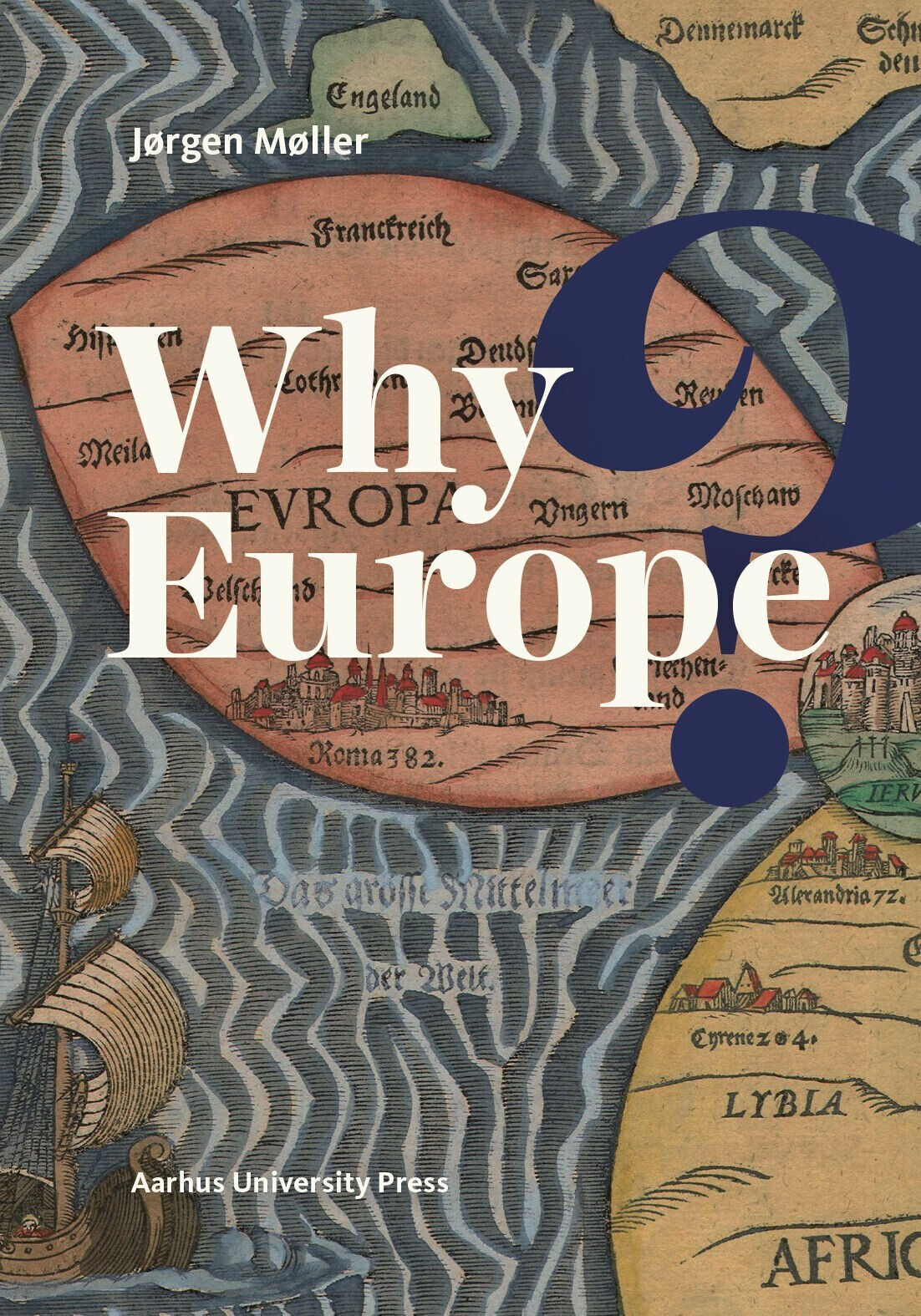

Beskrivelse
Why did Western and Central Europe, once considered a political and economic backwater, become the birthplace of modernity? This book explores the pivotal moments that set Europe apart from other great Eurasian agrarian civilizations.
The book highlights a key medieval shift that separated religious and secular powers, laying the foundation for modern Europe.
Why Europe? The answer lies in a crucial turning point during the medieval era when a reform movement within the Catholic Church challenged secular rulers' control over appointing bishops. This eleventh-century upheaval fractured the combined authority of church and state, forcing European emperors, kings, and princes to navigate a delicate balance. They found themselves caught between resistance from influential groups like townspeople, nobles, and the Catholic clergy, as well as rivalry from other European leaders.
What Karl Marx once dismissed as “medieval rubbish” actually planted the seeds for the development of modern Europe. This period of power pluralism-both between and within political entities-paved the way for the emergence of the modern state, the market economy, and democracy.
Yderligere information
| Forfatter(e) | Jørgen Møller |
|---|---|
| Kategori | Bøger |
| Genre(r) | Samfund Og Historie |
| Forlag | Aarhus Universitetsforlag |
| Udgivelsesdato | Er udgivet |
| Sprog | Engelsk |
| ISBN-13 | 9788775970018 |
| ISBN-10 | 8775970018 |
| Indbinding | Paperback |
| Udgave | 1 |
| Oplag | 1 |
| Sidetal | 92 |
| Dimensioner | Bredde: 14.1Cm - Højde: 20.1Cm |
| Tags | Why Europe?, Bøger, Bog |
| GPSR | Produktsikkerhed |