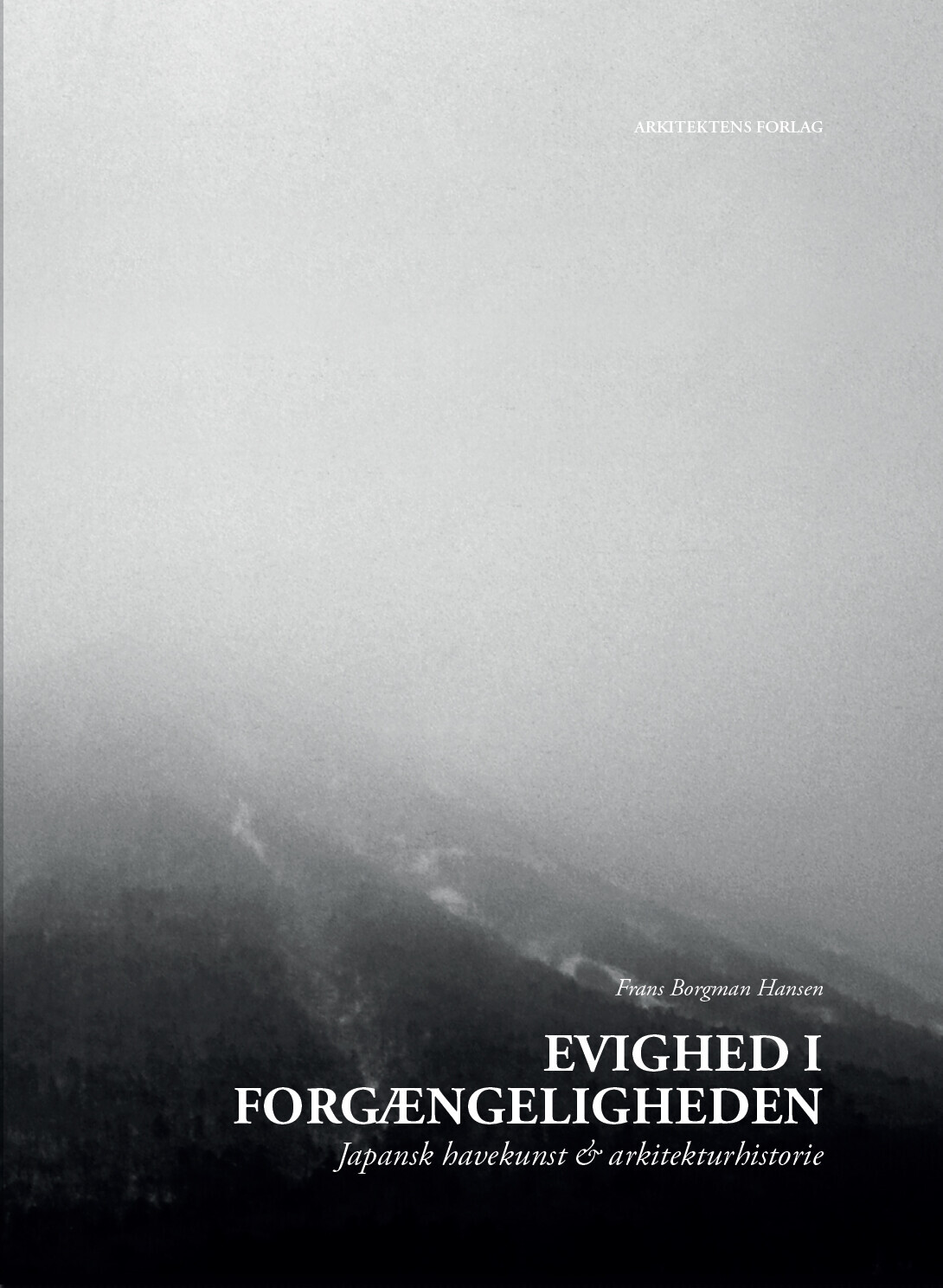
Evighed i forgængeligheden explores the deep connections between Japanese architecture, garden art, and broader artistic traditions. Frans Borgman Hansen presents a unique study tracing these influences from Japan's earliest history up to its 19th-century opening to the West.
An insightful examination of how Japanese architecture and garden art reflect cultural and philosophical ideas.
Frans Borgman Hansen, together with Arkitektens Forlag, has created a groundbreaking book that offers an innovative analysis linking art in its broadest sense with architecture and garden design. This work illuminates Japanese architecture and horticulture, spanning from their earliest origins to the pivotal period when Japan opened to Western influence in the mid-19th century.
This ambitious volume is the first to present a comprehensive overview of how Japanese history intertwines with architecture, analyzing the dialogue between contemporary thought and its manifestation in tangible works. It also explores how physical creations serve as a starting point for philosophical ideas.
The book features newly captured photographs taken during multiple research trips to Japan over several years, enriching the study with fresh visual insights. Alongside these, the richly detailed drawings-originally created for books-provide consistency and depth throughout the narrative.
All elements converge to tell the story of Japan’s unique relationship with nature and its positioning in the world. Included are reproductions of contemporary artworks and selected borrowed photographs that complement the theme.
The heart of the book lies in the gardens and their ties to visual arts and architecture. These are examined through waves of Chinese and Korean influence on Japanese art and thought, which over time became defining features of Japan’s artistic history.
Remarkably, these influences never conflicted with the native animistic Shintō worldview. Instead, the Japanese embraced Buddhist ideas by seeking an intuitive understanding of nature, gaining profound human insight. Across the ages, they found the eternal within the impermanent, a theme deeply expressed in their visual arts, architecture, gardening, and literature.
The history of Japanese architecture and gardening is interpreted through key aesthetic concepts such as imperfection, imbalance, simplicity, loneliness, and poverty-ideas central to Zen Buddhist art. Through cultural and historical analysis, the book explains why these ideals were essential to Japanese cultural expression.
This conceptual framework also draws on earlier perceptions of nature from pre-medieval times, first through Shintōism and then during the Heian period via Kūkai’s esoteric Buddhist teachings. This worldview was reflected broadly in architecture, echoing the relationship with nature that Johannes V. Jensen described during his 1907 encounter with Japan’s landscape.
Yderligere information
| Serie | Havebøger |
|---|---|
| Forfatter(e) | Frans Borgman Hansen |
| Kategori | Bøger |
| Genre(r) | Arkitektur Og Design |
| Forlag | Arkitektens Forlag |
| Udgivelsesdato | Er udgivet |
| Sprog | Dansk |
| ISBN-13 | 9788774075332 |
| ISBN-10 | 8774075330 |
| Indbinding | Hardback |
| Udgave | 1 |
| Oplag | 1 |
| Sidetal | 350 |
| Dimensioner | Bredde: 28.8Cm - Højde: 21Cm |
| Genveje | Havebøger - Bøger |
| Tags | Evighed I Forgængeligheden, Bøger, Bog |
| GPSR | Produktsikkerhed |